
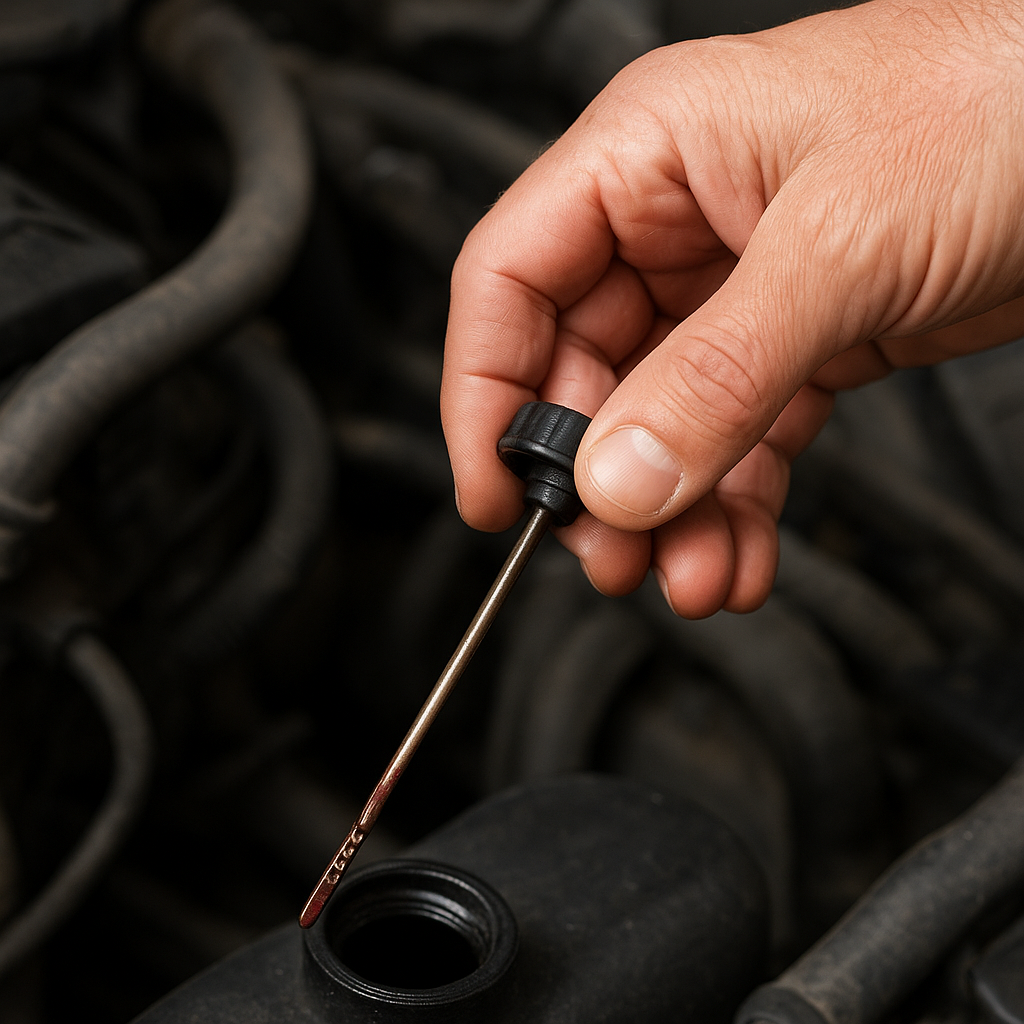
Every gearbox eventually develops hesitation or harsh engagement when internal components degrade. Knowing how to monitor lubricant volume prevents catastrophic gear failure and keeps shifting predictable. Automatic transmissions depend on specialized hydraulic oil to cool friction plates, pressurize the valve body, and maintain torque converter efficiency. Skipping routine inspections turns minor wear into expensive rebuilds, which is why proper maitenance habits remain essential for long-term reliability.
Why You Must Check Transmission Fluid Before Major Repairs
The lubricant does far more than simply coat metal surfaces. It acts as a pressurized working fluid that engages clutch packs, shifts planetary gearsets, and carries heat away from hot zones. When the oil oxidizes, its viscosiy drops, line pressure falls, and gear engagement slows. Regularly verifying fluid condition catches contamination before limp mode triggers or internal seals blow out. Modern drivetrains operate with microscopic tolerances, leaving almost no room for degraded or incorrect lubricants.
The Real History Of Checking Transmission Fluid Level
Older vehicles featured accessible dipstick tubes and simple breather caps that made owner inspections straightforward. Mechanics would pull a brightly colored rod, wipe it down, and read the crosshatch markings against ambient light. Over the last two decades, engineering priorities shifted toward sealed housings, extended drain intervals, and factory-fitted diagnostic ports. This transformation reflects a broader push to reduce routine service frequency and minimize contamination risks. While vintage platforms welcomed hands-on intervention, contemporary designs often require dealership-grade tools. The shift explains why traditional methods still apply to millions of older cars, even as electronic telemetry handles premium segments.
How Do You Check Transmission Fluid On Older Cars
The classic procedure demands precision rather than speed. The engine must reach normal operating temperature, the vehicle rests on completely flat ground, and the parking brake engages fully. The gear selector cycles through every position before settling back into park. Pull the dipstick, inspect the color, and compare against the warm markings. Fresh oil appears translucent red with a faint sweet scent. Dark brown hues or a scorched odor indicate thermal breakdown and immediate replacement. Skipping the warm-up step guarantees inaccurate volume readings, which leads to dangerous overfilling or critical underfilling.
Hydraulic systems fail gradually, not suddenly. Monitoring pressure and volume regularly extends component life far beyond standard warranty limits.
Quick Guide To Check Transmission Fluid Level Safely
When a vehicle lacks an external dipstick, technicians access a side-mounted fill port or connect an OBD-II scanner to monitor internal temperatures. Modern setups require the engine to stabilize at a specific thermal threshold before loosening the lower plug. The correct volume weeps steadily once the casing opens, confirming proper capacity. Overfilling creates aerated foam that compresses under load, while underfilling starves the hydraulic circuits. Always reference the factory service manual before opening any sealed housing.
Modern Workarounds For How To Check The Transmission Fluid
Contemporary engineering favors lifetime-sealed gearboxes that rely on electronic sensors rather than manual rods. Owners who want to verify volume without dealership visits often use aftermarket dipstick kits or aftermarket fill adapters designed for specific chassis platforms. The process requires careful temperature tracking and torque specifications for the fill plug. Using universal fluids instead of manufacturer-approved formulations risks seal swelling, friction plate slippage, and premature bearing wear. Sticking to certified ATF specifications ensures consistent shift quality across every driving scenario.
- Match the exact manufacturer code before purchasing replacement oil.
- Record every inspection date and added volume to track gradual consumption.
- Avoid generic additives that alter friction coefficients or void warranties.
- Inspect the dipstick tube for cracks or loose fittings that allow moisture ingress.
Routine inspections keep drivetrains operating smoothly through heavy traffic and highway cruising alike. Technical guidelines from nhtsa.gov outline updated safety parameters for modern hydraulic systems, while European regulatory frameworks published on acea.auto detail environmental and thermal compliance standards. Historical service archives remain accessible at Источник: bbc.com for reference. Drivers who track lubricant condition proactively avoid unexpected roadside failures and maintain consistent gear engagement across all temperature ranges.